Chemical Composition of Clay-Based Cat Litters
Types of Clay Used in Litter
Clay-based cat litters are predominantly made from two types of clays: sodium bentonite and clumping clay, which are both derived from natural sources. Sodium bentonite is a type of montmorillonite clay known for its excellent absorbent properties. It has a high cation exchange capacity, meaning it can absorb liquids and odors effectively.
Another variant is clumping clay, often containing a mixture of sodium bentonite and other minerals to enhance its clumping properties. Some brands may incorporate other types of clay like kaolin or attapulgite, which have different chemical compositions but are less common in mainstream cat litters.
Absorption Properties of Different Clays
The absorption properties of clay-based litters can significantly vary based on their chemical composition. For instance, sodium bentonite can absorb approximately 10 times its own weight in moisture, making it highly efficient for controlling litter box odors and moisture. In contrast, clays like kaolin have lower absorption capabilities and are often used in non-clumping litter where moisture control is less critical.
Additionally, the particle size and surface area of these clays contribute to their effectiveness. Smaller particles have a larger surface area, allowing for better absorption and odor control. Brands such as Tidy Cats and Arm & Hammer utilize these properties to enhance their litter performance.
Impact of Clay Processing on Chemical Composition
The processing of clay can affect its chemical composition, which in turn impacts its performance as a cat litter. Most clay litters undergo a process of purifying and granulating, which can reduce impurities and enhance absorbency. For example, some brands utilize high-heat processing to create a more porous structure, increasing the litter's ability to absorb moisture and odors.
Furthermore, additives may be introduced during processing to improve clumping ability or to reduce dust. These additives can include various chemicals, such as sodium bicarbonate for odor control or silica gel for enhanced moisture absorption. Understanding the processing methods can help consumers make informed choices based on the specific needs of their cats.
Biodegradable Cat Litters: A Chemical Perspective
Materials Used in Biodegradable Litters
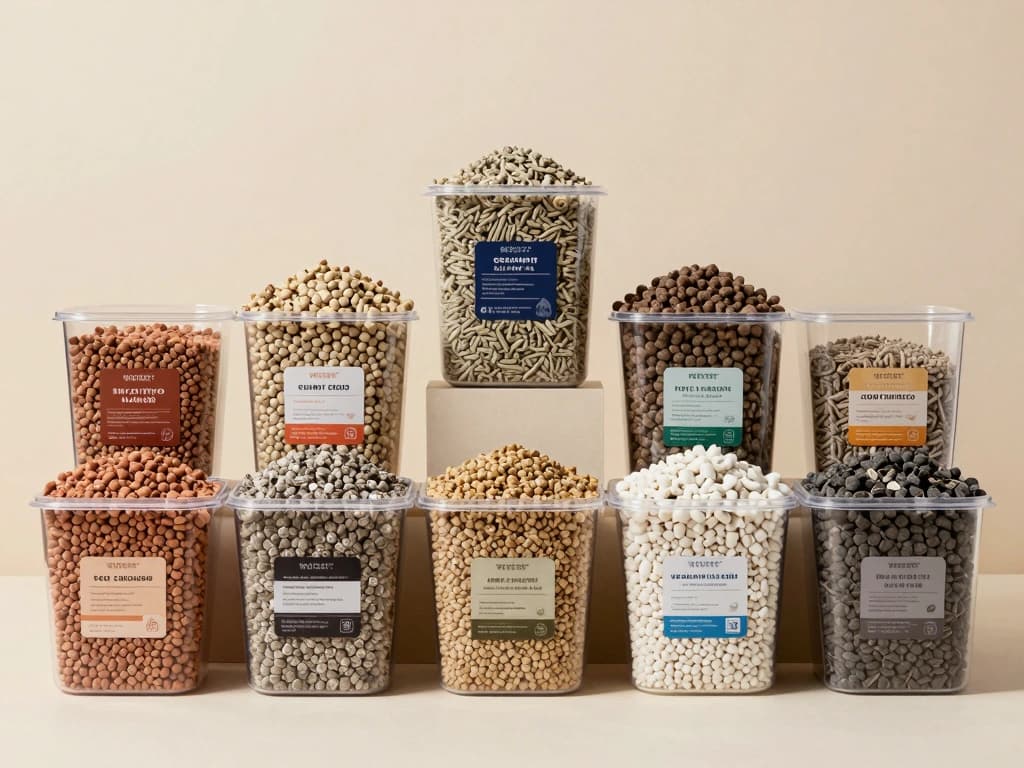
Biodegradable cat litters are made from a variety of organic materials, each with its own chemical profile. Common materials include recycled paper, wood pellets, corn, wheat, and coconut husks. Each of these materials offers different absorbent properties and biodegradability rates.
- Corn-based litters: Typically composed of ground corn and have a natural clumping ability due to the starch content.
- Wheat-based litters: Made from processed wheat and contain enzymes that help neutralize odors, making them effective and environmentally friendly.
- Pine-based litters: Utilize sawdust or pellets made from pine trees, which contain natural oils that help control odor.
These materials not only differ in their absorbency and clumping characteristics but also in their decomposition rates, with some breaking down within weeks compared to others that may take months.
Chemical Additives for Odor Control
Many biodegradable litters include chemical additives specifically formulated for odor control. For example, some brands incorporate baking soda or activated charcoal to neutralize odors naturally. Others may use plant-derived additives such as citrus extracts or herbal blends that can mask odors without introducing harmful chemicals.
It's essential to note that while these additives can enhance performance, they must be safe for both cats and the environment. Brands like World's Best Cat Litter and Ökocat focus on using non-toxic, natural additives to ensure safety while maintaining effectiveness.
Environmental Impact of Chemical Composition
The environmental impact of biodegradable litters is largely influenced by their chemical composition. For instance, while corn and wheat-based litters are often touted as environmentally friendly, their production can involve significant agricultural practices, including pesticide use and land resource consumption.
Moreover, the chemical breakdown of these litters can vary. Some biodegradable materials may release nutrients back into the soil, while others may not decompose as effectively if not disposed of correctly. Understanding these differences can aid consumers in choosing cat litters that align with their environmental values.
Scented vs. Unscented Cat Litters: Chemical Differences
Common Fragrances and Their Chemical Profiles
Scented cat litters often include added fragrances to mask odors, which can vary widely in their chemical composition. Common synthetic fragrances may contain phthalates, synthetic musks, and essential oils. For example, a lavender-scented litter may contain linalool and linalyl acetate, which are naturally occurring in lavender but can also be synthesized.
On the other hand, unscented litters rely on the natural absorbency of the materials used to control odors. Brands like PetSafe and Cat's Pride offer unscented options that focus on natural odor control without the use of chemical fragrances.
Potential Allergens in Scented Litters
While many cat owners appreciate the pleasant smell of scented litters, these fragrances can pose potential allergens to both cats and humans. Chemicals such as phenol and certain synthetic aromatics can trigger allergic reactions or respiratory issues.
Brands that prioritize safety often conduct thorough testing to ensure their fragrances are non-irritating. However, it is advisable for cat owners to be mindful of their pets’ reactions to scented litters and opt for unscented versions if allergies are a concern.
Effects of Scented Litters on Cat Behavior
The chemical composition of scented litters may also influence cat behavior. Studies have indicated that strong fragrances can deter some cats from using the litter box, leading to undesirable behaviors like urination outside the box. The overwhelming scents can mask familiar smells, potentially confusing the cat.
Conversely, milder, natural scents may be less invasive and could help create a more pleasant environment. Observing a cat's preferences is essential for owners when selecting a litter type, especially if behavioral issues arise.
Clumping Mechanisms: A Chemical Analysis
Natural vs. Synthetic Clumping Agents
Clumping cat litters utilize either natural or synthetic agents to form clumps upon contact with moisture. Natural clumping agents, such as those found in sodium bentonite clay, rely on the clay's inherent properties to absorb moisture and form solid clumps.
Synthetic clumping agents, on the other hand, may include polyacrylate compounds, which can enhance clumping efficiency. These synthetic polymers are effective in trapping moisture but may raise concerns regarding safety and environmental impact. Brands like Ever Clean and Scoop Away often utilize a combination of both natural and synthetic agents to optimize clumping performance.
Chemical Reactions in Clumping Processes
The clumping process involves various chemical reactions, primarily the absorption of moisture. When liquid comes into contact with the clumping agent, it results in a physical change where the moisture is trapped, forming a clump. This process can be influenced by the pH level of the urine and the chemical composition of the litter itself.
For example, the presence of ammonia in cat urine can react with certain additives in the litter, potentially altering the effectiveness of clumping. Brands that include pH-neutralizing agents help mitigate this issue, ensuring consistent clumping and odor control.
Effectiveness of Clumping Litters on Moisture Control
Clumping litters are generally more effective at controlling moisture compared to non-clumping versions. The ability to form solid clumps allows for easier removal of waste and reduces the overall moisture content in the litter box. Research has shown that clumping litters can maintain a drier environment, which is beneficial in preventing bacterial growth and odor development.
However, the effectiveness can vary significantly between brands, often based on the chemical composition of the clumping agents used. Brands that combine natural and synthetic agents, such as Dr. Elsey's Precious Cat, often achieve superior moisture control without compromising safety.
Health Considerations: Chemicals in Cat Litter
Toxic Compounds to Avoid in Cat Litters
When selecting cat litter, it’s crucial to be aware of potential toxic compounds. Some clumping litters may contain silica dust, which can pose respiratory risks to both cats and humans when inhaled. Additionally, certain fragrances and chemical additives may introduce harmful substances, such as phenols and formaldehyde, which are known irritants.
Brands like Purina and Petmate emphasize the use of non-toxic materials and thoroughly test their products for safety, making them suitable options for health-conscious consumers.
Long-term Effects of Chemical Exposure on Cats
Long-term exposure to harmful chemicals found in certain cat litters can have adverse effects on feline health. Research indicates that prolonged inhalation of fine particulate matter can lead to respiratory conditions in cats. Furthermore, exposure to certain chemicals may contribute to skin irritations or urinary issues.
Monitoring a cat's health after switching to a new litter is essential, particularly if the litter contains synthetic chemicals. Owners should consult with their veterinarians to discuss any concerns regarding their cat's litter choices and potential health impacts.
Regulations and Safety Standards for Cat Litter Chemicals
The pet product industry is subject to regulations that are designed to ensure consumer safety. In the U.S., the Environmental Protection Agency (EPA) and the Consumer Product Safety Commission (CPSC) oversee the safety of chemical products, including cat litter. However, regulations can vary by country, and not all brands adhere to the same stringent safety standards.
Consumers should look for brands that voluntarily comply with safety certifications and conduct regular testing for harmful substances. Brands like PetSafe and World's Best Cat Litter often highlight their adherence to safety standards, providing peace of mind to pet owners concerned about chemical exposure.